
11 things about Spain that foreigners enjoy most

Ancient monuments, joyful cities, an extraordinary artistic and cultural heritage, plus its unique character are what draw millions of people to Spain. Indeed, Spain has its charms and here are some of the things that foreigners, and Spaniards for that matter, like most about this country.

What attracts visitors to Spain the most
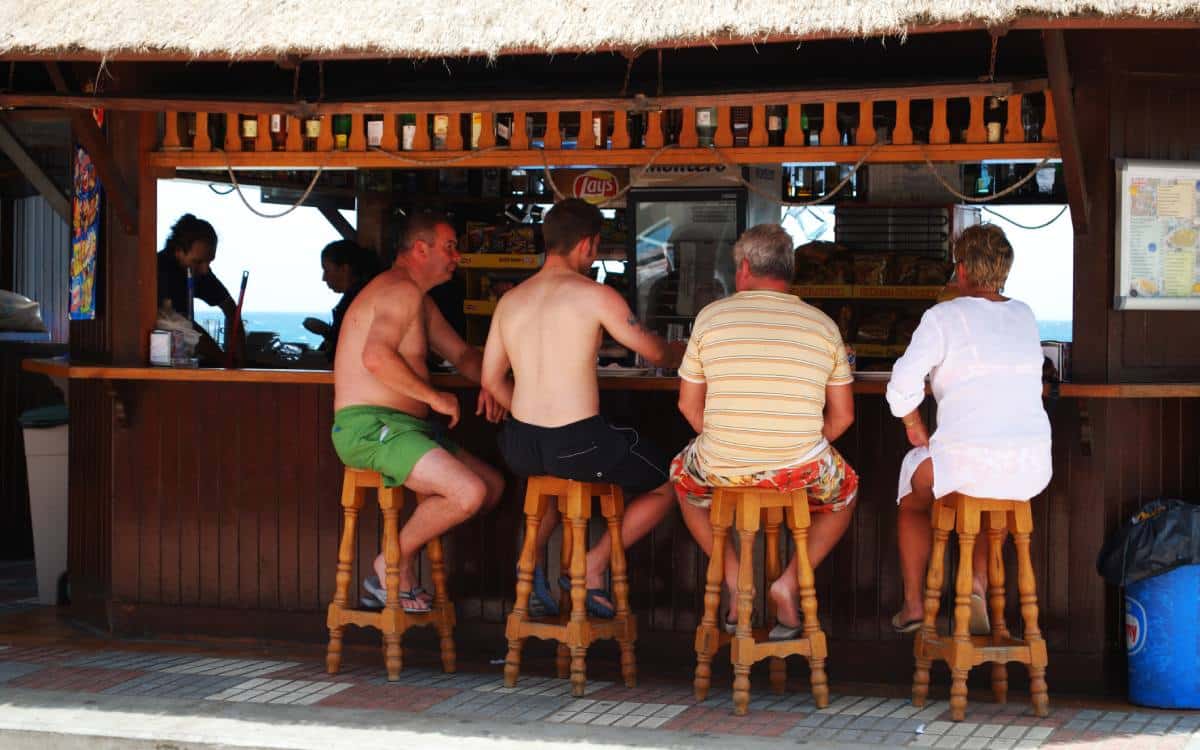
Tapas and cold beer
It is often said that to win someone’s heart is through their stomach. Spain needs only offer morsels of its cuisine, namely its famous tapas, to seduce both tourists and Spaniards alike. There are tapas for all tastes, including tortilla (Spanish omelette), Russian salad, bravas (potatoes), cold meats and olives. Who could turn down a good tapa, especially if it is free of charge, accompanied by a cold glass of beer?
Nightlife
One of Spain’s main attractions is its party spirit. While bars and discotheques in other countries might close earlier, Spain keeps the party going all night long until the break of dawn. The perfect way to end the night or, depending on one’s point of view, begin the day is with a cup of Spain’s famous hot chocolate and churros.
The friendliness of its people
This is a reason to feel proud. Foreigners usually highlight the hospitality, friendliness and good sense of humour of the Spanish people. The language barrier is hardly a challenge for Spaniards, mostly because of their talent to be understood, whether through words or gestures.
Spain’s delicious cuisine
The secret to Spanish gastronomy lies in its variety and unbeatable quality, aspects that make Spain stand out in the world’s gastronomic rankings. Spain has also spawned a great number of internationally renowned chefs.
The Way of Saint James
Though this important pilgrimage route can be picked up at various points, all routes lead to the Galician city of Santiago de Compostela. Owing to its cultural, historical and spiritual significance, The Way of Saint James (or Camino de Santiago) draws millions of people from around the world. Walking the pilgrimage trails through extraordinary landscapes towards Santiago de Compostela is an indelible experience.
Spain’s beloved islands
Fascinating Ibiza, land of parties and beaches par excellence, is by far the most popular destination for tourists. Nevertheless, Spain’s other islands are no less amazing and welcome a great number of visitors all year long. And it is no mystery as to why. Spain offers every type of beach imaginable, including the white sands and crystal-clear waters of the Balearic Islands, the exotic volcanic beaches of the Canary Islands and the mysterious Beach of the Cathedrals in Lugo.
Flamenco rhythm
This one-of-a-kind musical genre cannot be omitted from any list of Spain’s attractions. Foreigners enjoy flamenco so much that it has even taken root in countries like Japan. Nothing matches the energy of fervent heel tapping, strumming guitars and the emotion expressed in flamenco singing.
Fabulous climate
Although Spain’s geography is diverse and all types of environments may be found, most people agree that Spain has an unmatched climate. The Mediterranean climate of mild winters and hot summers is popular for many people.
A good nap
Though Spaniards may not take as many naps as some people might believe, they do however take them quite frequently. And after a big lunch, there is nothing like falling into the arms of Morpheus on a good siesta.
A wide array of culture
Spain seems to have it all, and that is a fact. Spain is celebrated for its elegant architecture, world famous museums, and its traditional festivals like the Seville Fair and Holy Week. Spain’s painters, architects and screen actors manifest the Spanish spirit that enthralls people from around the world.
An intriguing language
There is no other sound more powerful than the Spanish rolling ‘r’. Foreigners love it, and Spaniards love it when others try to copy it. Spaniards have words for everything, and though it may not be a matter of great pride, the Spanish lexicon includes an endless stream of colourful invective.
You can also read this article in Spanish here.