
The oldest wall in Spain

Many walls are scattered throughout the Spanish geography. However, not all of them have the privilege of being the oldest wall in Spain. The city it is located in can be reached by train, and the trip only takes half an hour.

This incredible construction surrounds Tarragona’s old town centre and dates back to the Roman era, when the city was known as Tarraco and was an important Roman colony on the Iberian Peninsula.
Tarragona’s wall is one of a kind
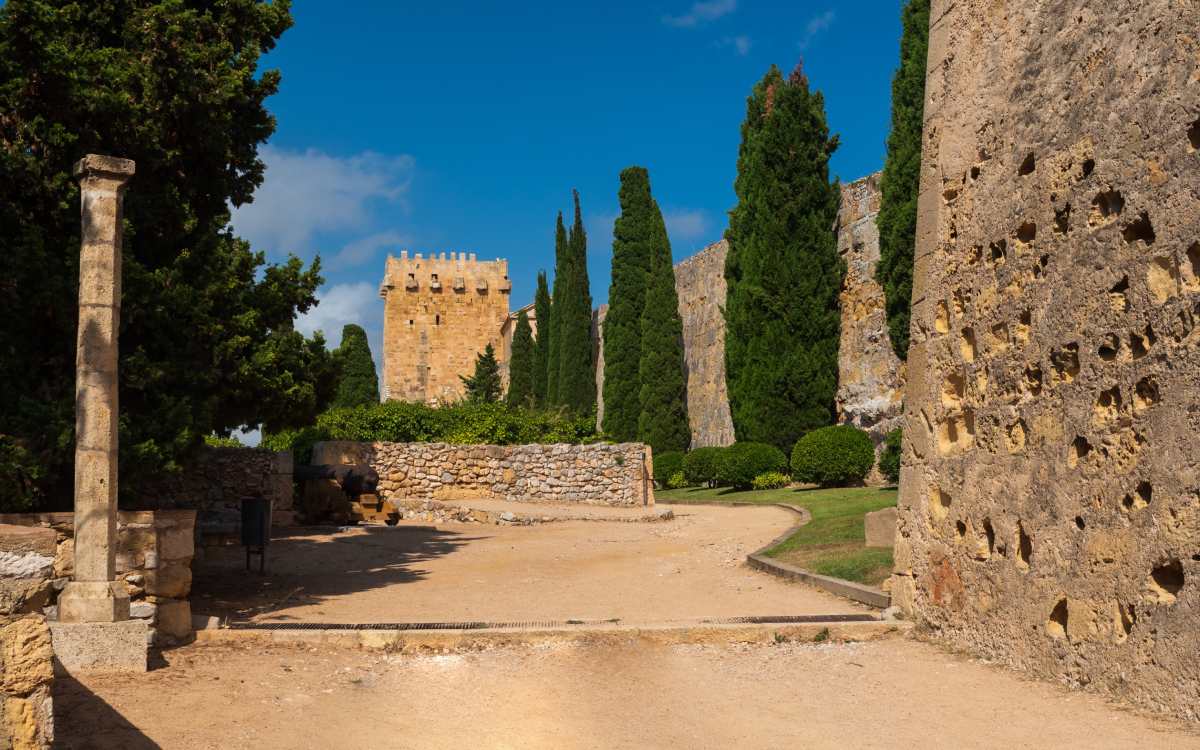
There are plenty of reasons why some people refer to Tarragona as ‘the most Roman city in Spain’. Many other representative samples of the impressive local region—besides the wall itself—can be found in the area: the amphitheatre, the circus, and other archaeological remains. They are proof of the transcendence this community already had at the time.
Such is the importance of these remains that this complex, known as the Archaeological Ensemble of Tarraco, that goes beyond the city borderlines, was declared a UNESCO World Heritage Site in 2000.
The wall is the most significant archaeological element in the area, and it was built between the 3rd and 1st centuries BC around the city. At first, it had a merely defensive purpose, since it protected the city from the attacks of possible enemies, but its majesty turned it into a symbol of power and authority.
Throughout the years following the fall of the Roman Empire, the wall experienced important modifications, particularly in the Middle and Modern Ages. However, the original structure is still preserved, and nowadays it is a popular tourist destination that attracts visitors from all parts of the world to admire the oldest Roman construction outside of Italy.
The wall and its impressive architecture
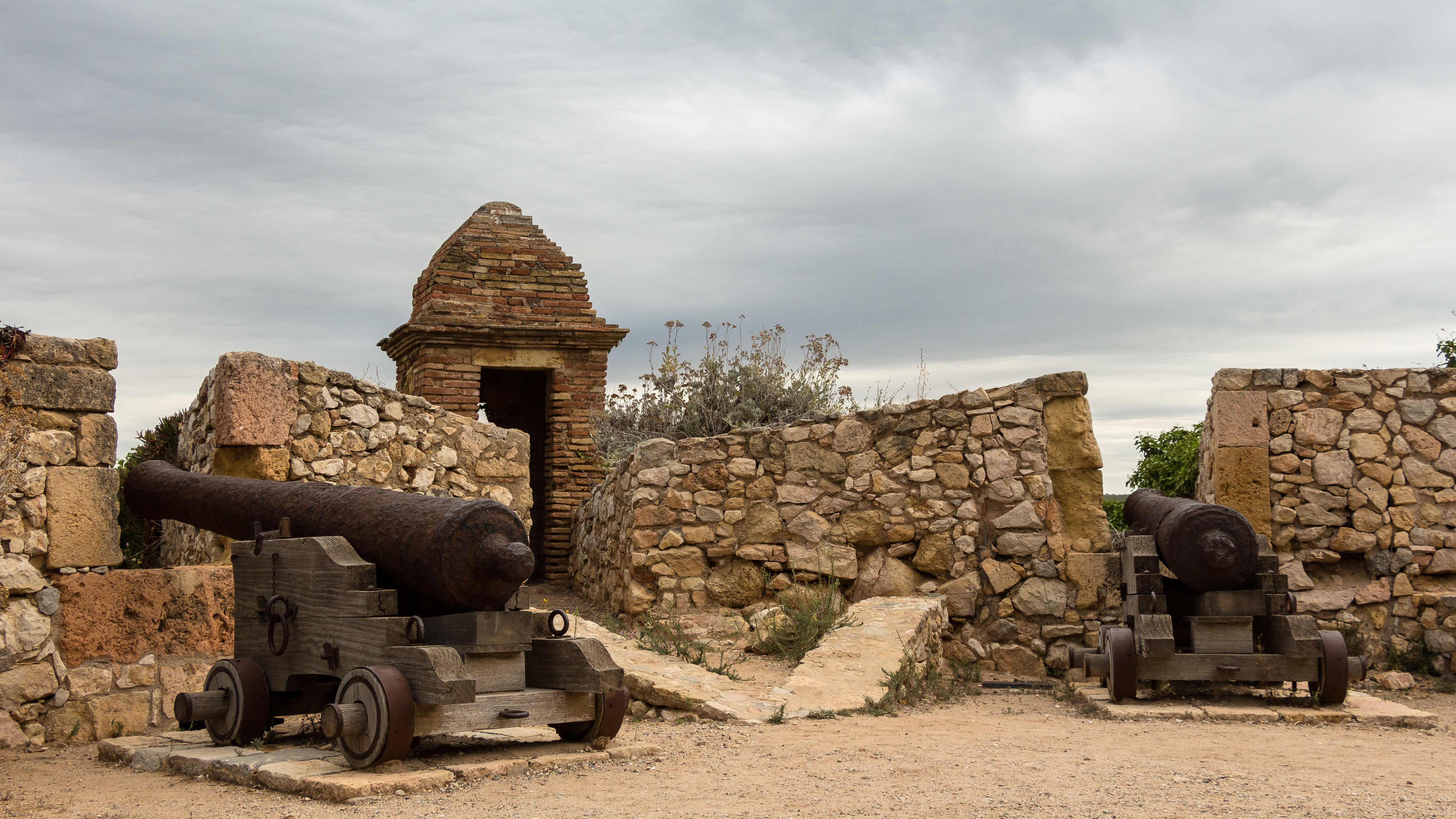
The architectural elements of this wall are one of its most outstanding features besides its antiquity, being a great sample of Roman military architecture.
It began as a wood palisade used as a defensive system from possible attacks and surrounded a 4-kilometre perimeter, from which only 1,100 metres are preserved now. Eventually, it was extended and strengthened with limestone dimension stones. Towers, doors, and posterns were added to the wall, and it became one of the Empire’s most robust walls. In fact, the whole defensive system was one of the most developed at the time and allowed the Romans to control their land.
It also enjoyed a considerable height considering its time, since some of its sections reached a height of 5 to 15 metres.
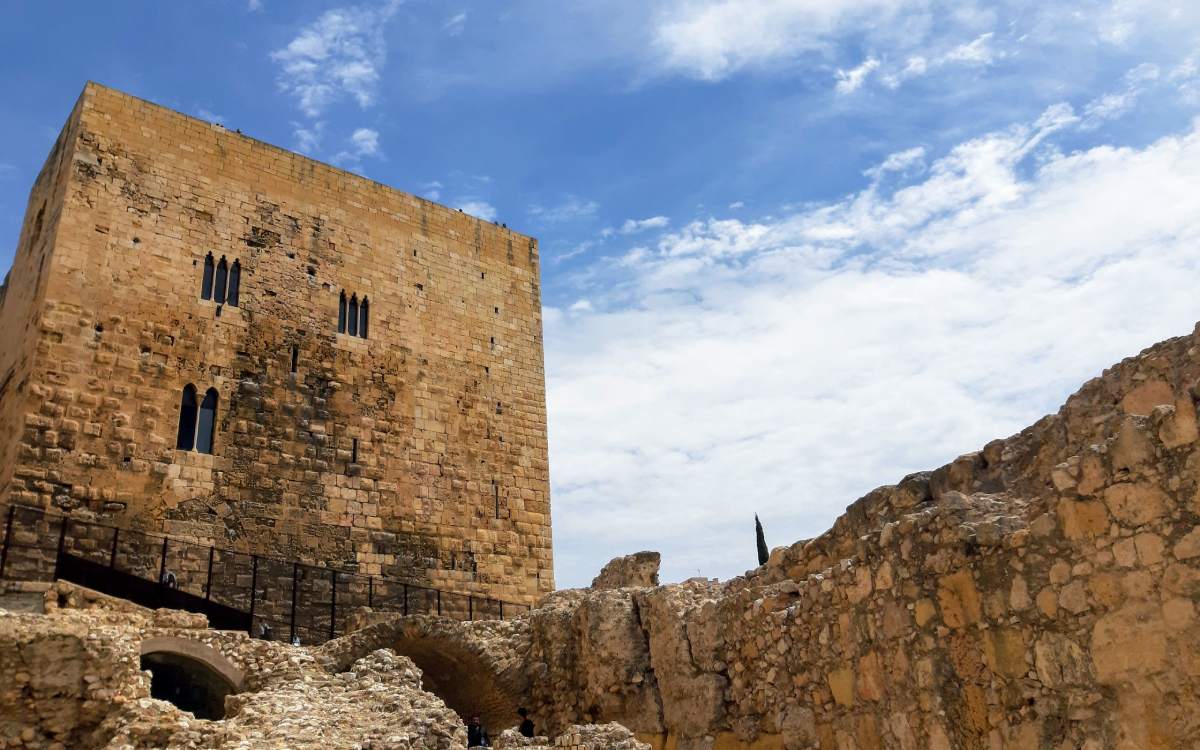
On the other hand, it was also strengthened by guard towers placed throughout its perimeter, offering strategic spots for monitoring and defending the city. There were 14 towers and luckily, some of them can still be visited, but three of them stand out: the Pretorio and the Arzobispo Tower—with visible medieval renovations—and the Cabiscol Tower. But the Minerva Tower is the most impressive one, since it includes the oldest Roman sculpture and inscription on the peninsula.
Its doors are worth mentioning too, which allowed access to and out of the city and provided control points to regulate commerce. There are five doors in total, but only two of them can be visited: the Puerta del Pretorio and the Puerta del Mirador.
How to explore the wall
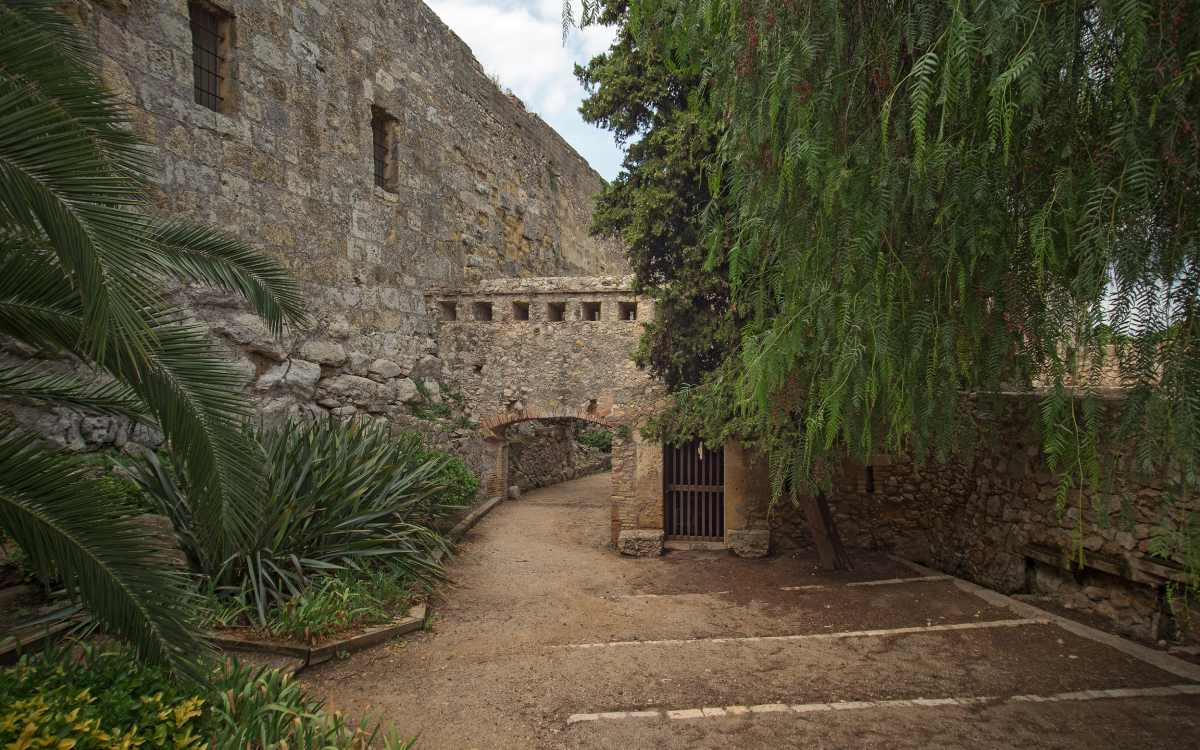
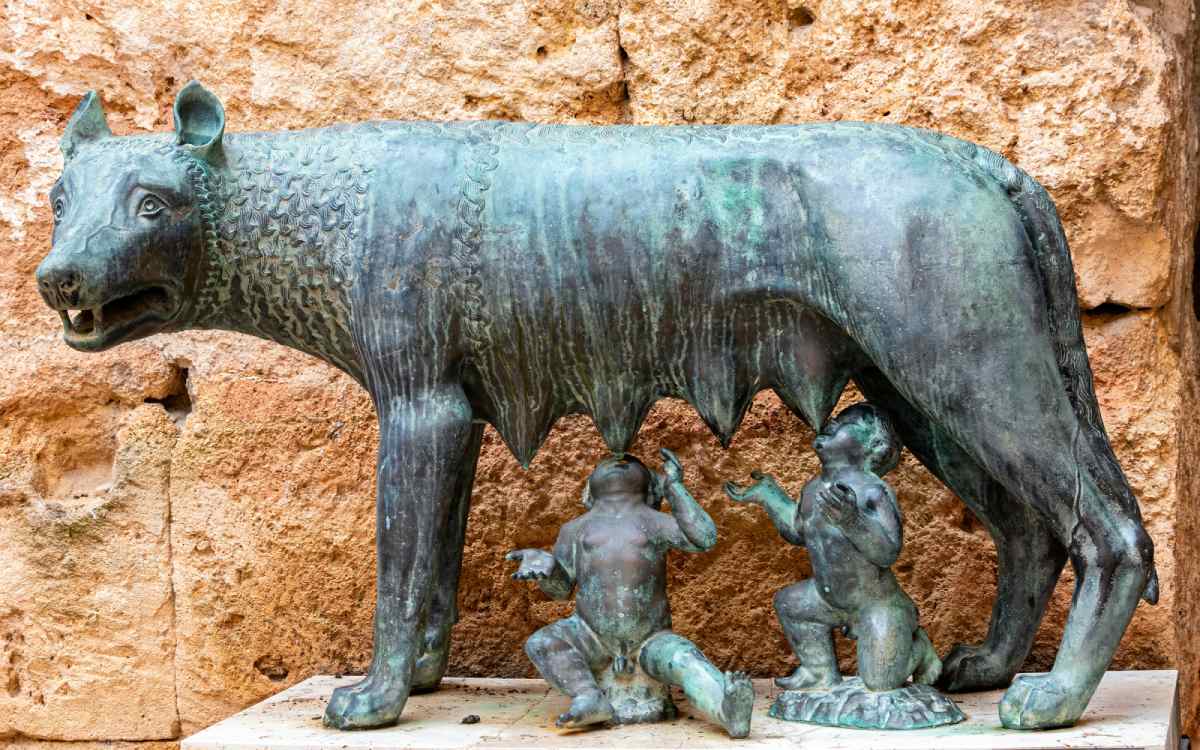
The Paseo Arqueológico is the best way to explore it, a lovely landscaped route that takes visitors back in time to Roman Tarragona. Most of the wall and its details can be observed from the pathway, such as the relief of the Roman goddess Minerva, many replicas of Roman sculptures like the Capitoline Wolf, and two posterns, which were tiny passageways that allowed people in the town.
However, this wonderful pedestrian space is also the best spot to admire the impressive views of the town centre and the Mediterranean Sea. For this reason, this is a mandatory stop not only to discover an incredible Roman monument in Spain but also to appreciate the beauty of the surrounding landscape from a completely historical perspective.
You can also read this article in Spanish here.
Follow us on Facebook!